










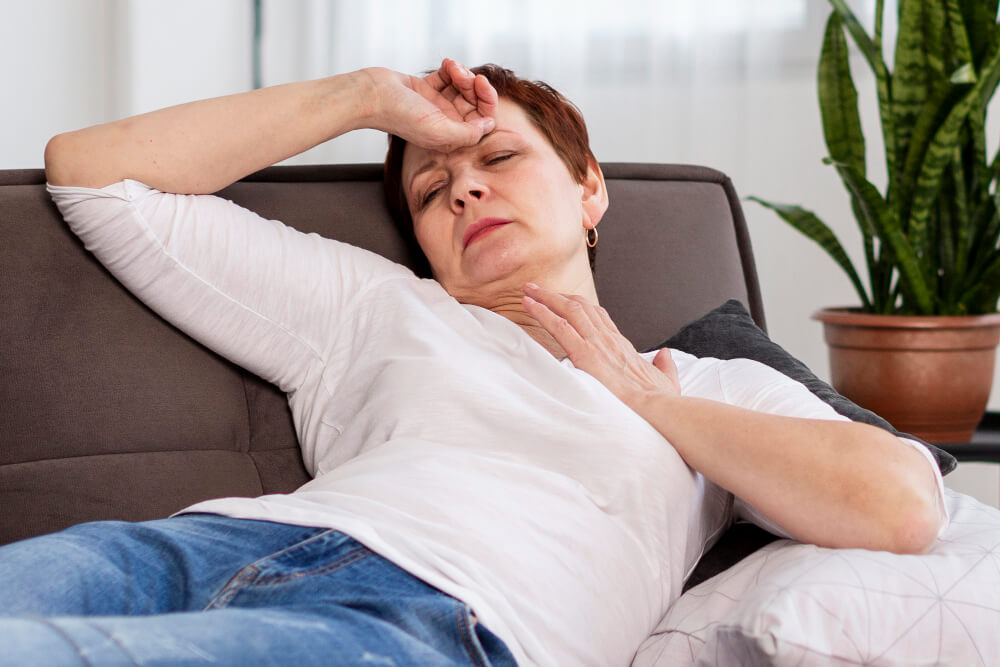
Menopause is a natural stage in a woman’s life. Yet, many women in the UK find themselves unsure what symptoms are “normal” and which deserve medical attention. This guide aims to explain key symptoms, when to seek help, and how to look after your hormonal health during this important midlife shift.
Original research makes great linkbait!
First of all: nothing here is doctrine. This is just one of many available strategies that you can apply to your daily link building job.
As a specialist, one of my daily activities is to read and study a lot of articles.
We live in the “content age”, but you must keep in mind what really matters for your project. Simplifying and being objective about what you want for your clients will help you to find value in the journey, and find good content to inspire your strategies – like this article.

What is menopause — and when does it begin?
Menopause marks the moment when a woman has not had a menstrual period for 12 consecutive months. The years leading up to this are known as perimenopause, during which hormone levels (especially oestrogen and progesterone) fluctuate. nhs.uk+2Bupa UK+2
In the UK, the average age for menopause is about 51 years, though some women may enter it earlier or later. rcog.org.uk+1
Perimenopause can last months or even several years. During that time, the body may send signals that things are changing. Some symptoms are mild, while others can be disruptive to daily life.
Symptoms you mustn’t ignore
Many symptoms are common, but some are more serious or long-lasting. Here are the major ones UK women should watch out for, especially if they become intense or persistent:
1. Heavy or irregular bleeding
A change in your menstrual cycle is often one of the first signs. Periods may become heavier, lighter, more frequent or more erratic. nhs.uk+2rcog.org.uk+2
If bleeding is extremely heavy (soaking through sanitary protection rapidly), or if bleeding continues after months of no periods, see your GP — it could indicate other issues like fibroids, polyps or rare conditions.
2. Hot flushes and night sweats
Sudden waves of heat (hot flushes), often affecting the face, neck and chest, are classic symptoms. nhs.uk+1
These flushes may also occur at night, causing night sweats, disrupting sleep and leaving you tired. nhs.uk+2nhs.uk+2
If hot flushes are frequent, intense, or interfere with work, relationships or sleep, they merit a conversation with your doctor.

3. Mood changes, anxiety or depression
Hormonal shifts can influence your emotional well-being. Many women experience low mood, mood swings, irritability or increased anxiety. The Menopause Society+3nhs.uk+3drlouisenewson.co.uk+3
If mood disturbances become severe, prolonged, or you’re having feelings of hopelessness, definitely seek medical help (a GP can rule out depression or other causes).
4. Memory lapses, concentration difficulties (“brain fog”)
Many women report difficulties with memory, attention or “foggy” thinking during perimenopause and menopause. Up to 40-60 % of midlife women describe cognitive symptoms. The Menopause Society+2NICE+2
If trouble with memory or concentration is sudden, worsening fast, or accompanied by other worrying signs (e.g. neurological symptoms), medical evaluation is important to rule out other causes.
5. Sleep problems and fatigue
Insomnia or disturbed sleep is common, often linked to night sweats or anxiety. nhs.uk+2nhs.uk+2
Persistent fatigue that does not improve with rest should not be ignored — it might point to thyroid issues, anaemia or other health concerns.
6. Vaginal dryness, pain, urinary changes
Lower oestrogen levels can lead to thinning and drying of the vaginal tissues. This can cause itching, discomfort during sex, or pain. nhs.uk+1
Urinary symptoms — such as urgency, frequent infections, or incontinence — may also increase. nhs.uk+1
If symptoms are affecting your quality of life (e.g. preventing intimacy), don’t delay consulting your GP or gynaecologist.
7. Joint aches, muscle pains, weight changes
Many women notice stiff joints, aches or muscle discomfort.
Weight gain, especially around the waist, is also common. Hormonal changes, slowing metabolism and lifestyle factors all play a role.
Persistent aches should not be dismissed — they may overlap with arthritis or other musculoskeletal issues, so a health check is wise.

Why these symptoms matter — the health risks behind menopause
It’s not just discomfort. The hormonal changes in menopause can influence your long-term health in key areas:
-
Bone health: Falling oestrogen levels lead to bone loss and increased risk of osteoporosis and fractures. HRT (when appropriate) helps reduce this risk.
-
Heart and circulatory system: After menopause, women’s risk of cardiovascular disease rises. Some forms of hormone therapy, especially if started early, may protect the heart. British Menopause Society+2Royal Osteoporosis Society+2
-
Mental health: Untreated mood disorders or sleep deprivation can have serious impacts on wellbeing, relationships and quality of life.
-
Urogenital health: Vaginal and urinary changes, if untreated, can worsen and lead to infections, discomfort or sexual health problems.
Because of these risks, it’s wise not merely to endure symptoms but to be proactive. Early recognition and intervention can make a big difference.
How menopause is evaluated in the UK

In general, for women aged 45 and over who have classic symptoms, no hormonal tests are usually needed — the diagnosis is based on symptoms. NHS inform+3rcog.org.uk+3NICE+3
That said, if you are under 45 and showing symptoms, tests may be done to exclude premature ovarian insufficiency or other causes.
Also noteworthy: many private “hormone test kits” have come under criticism in the UK for being unreliable, because hormone levels fluctuate widely. Experts caution that test results often do not lead to better treatment decisions.
A GP or menopause specialist will usually consider your medical history, symptom pattern, risk factors (heart, breast, clotting), family history, and any contraindications before planning treatment.
Options to manage symptoms and support hormone health
Managing menopause is not a one-size-fits-all approach. Below are lifestyle strategies, medical treatments, and supportive therapies that many UK women use.
1. Lifestyle measures (first port of call)
These techniques can help significantly, especially when used in combination:
-
Healthy diet: Emphasise whole foods, plenty of fruit, vegetables, lean protein and calcium sources (milk, yoghurt, leafy greens) to protect bones.
-
Weight-bearing and strength exercise: Walking, dancing, resistance training all support bone and muscular health.
-
Sleep hygiene: Maintain a cool, dark bedroom, regular sleep routine, limit caffeine/alcohol, and use relaxation techniques. Avoid triggers for flushes: Spicy food, caffeine, alcohol, hot drinks, stress and smoking may worsen symptoms.
-
Mind–body supports: Yoga, mindfulness, CBT (cognitive behavioural therapy) can help with mood, anxiety, sleep and coping.
-
Stop smoking and moderate alcohol intake — both worsen menopause symptoms and raise health risks.
These measures are widely recommended by NHS resources.
2. Hormone Replacement Therapy (HRT)
HRT is the most effective medical treatment for many menopause symptoms.
-
What is HRT? It replaces the oestrogen (and sometimes progesterone) that the body no longer produces in sufficient amounts. nhs.uk+2rcog.org.uk+2
-
Forms: Tablets, patches, gels, sprays or implants.
-
If you still have your womb, a progestogen is needed alongside oestrogen to protect the womb lining.
-
Safety & risks: While HRT offers many benefits, it also carries small risks (e.g. breast cancer, blood clots, stroke). The risk is generally lower when started before age 60 and when using safer routes (e.g. patches, gels).
UK consensus is that the dose, regimen and duration should be individualised and regularly reviewed. British
Notably, the British Menopause Society recommends transdermal (skin-applied) oestrogen as a first choice in many cases, since it may pose lower clotting risk. British Menopause Society
Recent NICE guidance (in England and Wales) emphasises offering HRT as a first-line treatment for moderate to severe symptoms, rather than putting non-hormone treatments on the same footing.
Some women may prefer not to use HRT (due to personal or medical reasons). In those cases, alternatives or lower-dose options may be discussed.
3. Non-hormonal and complementary options
-
Non-hormonal prescription medicines: Certain antidepressants (SSRIs), gabapentin or clonidine may help control hot flushes in some women.
-
Vaginal oestrogens (low dose) may relieve local symptoms without systemic exposure. nhs.uk+1
-
Herbal remedies: Many women try evening primrose oil, black cohosh, ginseng and others. But evidence is weak and safety is not guaranteed — always consult a pharmacist or GP. NHS inform+1
Always be cautious with complementary therapies, as “natural” does not always equal “safe”.
When to see a GP or menopause specialist
You should consult your GP or a menopause specialist (gynaecologist or specialist clinic) when:
-
Symptoms are interfering with daily life, work, relationships or sleep
-
You have heavy or unusual bleeding
-
You’re under 45 and showing menopausal symptoms
-
You have sudden, severe symptoms (e.g. chest pain, sudden confusion)
-
You want to discuss HRT or other treatments
-
You have risk factors: history of breast cancer, blood clots, stroke, liver disease
In the UK, NICE guidelines recommend that women seeking help with menopausal symptoms should be offered advice, assessment, and treatment options.
GPs should be equipped to discuss risks and benefits, screen for contraindications, monitor treatment and review regularly.
How to communicate with your healthcare provider — questions to ask
To get the best care, you might want to ask:
-
Is this symptom likely to be menopause, or something else?
Many conditions mimic menopause (thyroid issues, anaemia, depression) so a proper assessment is important. -
What are my risks?
Including personal risk for breast cancer, cardiovascular disease, clotting, osteoporosis. -
Which form and dose of HRT (if any) suits me best?
Ask about patches, gels, pills — and whether you need progestogen with it. -
How long should I stay on treatment?
Use should be regularly reviewed; arbitrarily stopping too early is not advised if symptoms persist. British Menopause Society+1 -
What non-hormonal options are appropriate for me?
Diet, exercise, CBT, and non-hormone medications can all be part of the plan. -
How will we monitor my treatment?
You’ll likely need periodic reviews, symptom checks, and reassessment of risks vs benefits.
Supporting your journey — self care and mindset
Menopause is a life transition, not an “illness.” Here are ways to support yourself:
-
Track symptoms: Maintain a diary to monitor patterns, triggers and improvements.
-
Connect: Speak with friends, join support groups or online communities — sharing experiences helps reduce isolation.
-
Mind your mental health: Therapy, counselling or peer support can make a big difference.
-
Stay informed: Use trusted UK sources (NHS, British Menopause Society, RCOG) rather than social media hearsay.
-
Advocate: Don’t hesitate to ask for referrals, second opinions or specialist referrals if you feel unheard.