
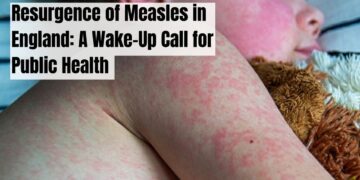









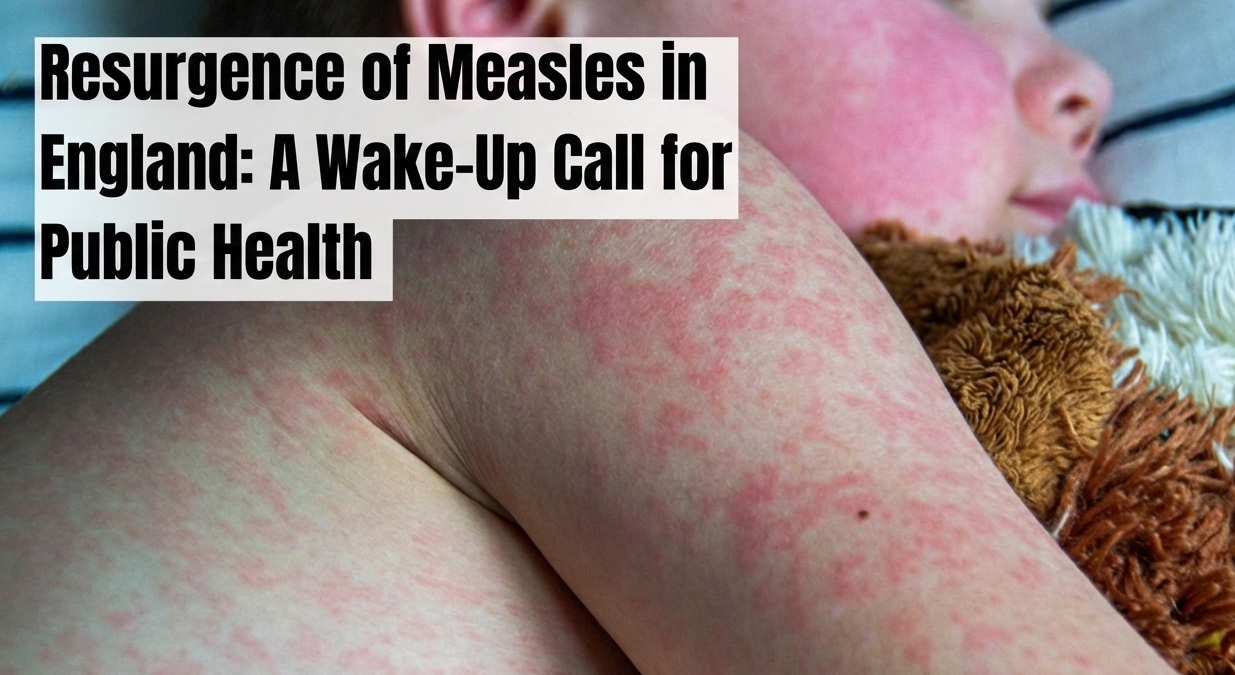
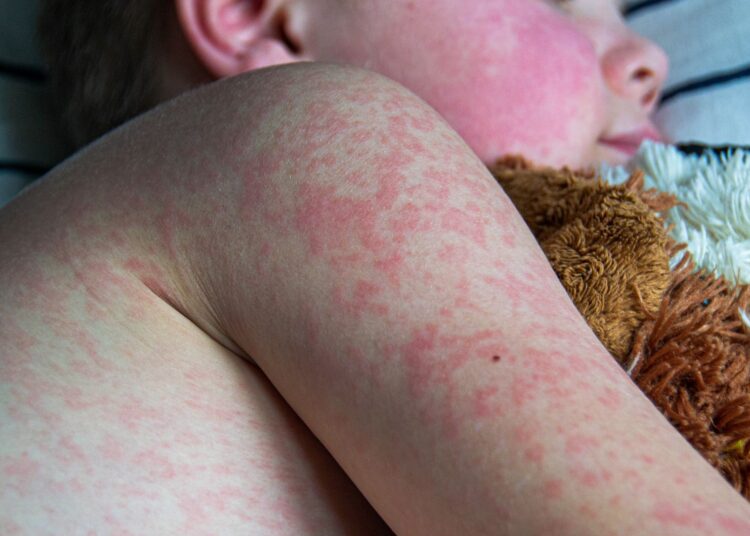
In early 2026, England has witnessed a concerning rise in measles cases — a disease that was once on the verge of elimination in the UK. According to the latest official epidemiological report, 96 laboratory-confirmed measles cases have been reported so far this year, the majority of which are children under 10 years old and heavily concentrated in urban regions such as London and the West Midlands.
This trend does not occur in isolation. It reflects a multi-year public health challenge where vaccination gaps, social behavior, and community immunity all intersect.
The Numbers Tell a Story
Sharp Rise, Major Clusters
Official data shows:
-
95 of the 96 confirmed cases were reported in January 2026, driven mainly by a localized outbreak in North London.
-
77% of cases affected children aged 10 or younger — elevating concerns over gaps in childhood immunity.
-
London alone accounted for 64% of all cases, while the West Midlands contributed 26%.
Top local authority hotspots include Enfield and Birmingham — signaling that urban density and community vaccination patterns matter.
Why Children are Most Affected
Measles thrives where immunity is weak. The virus is one of the most highly contagious pathogens known, capable of spreading through airborne droplets with minimal exposure. Children under 10 — especially those unvaccinated or partially vaccinated — are far more susceptible to infection and complications.
This year’s disproportionate impact on youth reflects a coverage gap in routine vaccination programs. While exact vaccination status for each case isn’t listed in the report, broader regional trends point to declining uptake in some urban communities — a factor linked with this and other outbreaks.
Comparing Recent Trends: 2023–2026
Looking back over previous official data reveals a dramatic rise in measles over the past few years:
| Year | Confirmed Measles Cases in England |
|---|---|
| 2023 | 367 confirmed cases — mostly in Birmingham and London. |
| 2024 | 2,911 cases — the highest in two decades, with outbreaks spreading beyond major cities. |
| 2025 | 959 cases — concentrated in London and the North West. |
| 2026 | 96 cases already reported by mid-February — indicating continued activity. |
This upward trend correlates with broader national and European patterns where measles has returned as a significant public health threat, partly due to falling vaccination coverage.
Geographic Hotspots and Community Patterns
Two regions emerging repeatedly in measles statistics are:
-
London (especially Enfield) — urban density, diverse communities, and vaccine hesitancy or access barriers have amplified transmission.
-
West Midlands (including Birmingham) — consistent clustering of cases over multiple years suggests local immunity gaps.
These patterns tell us that measles resurgence isn’t random — it thrives where vaccination coverage is lowest and social contact rates are highest.
What Public Health Experts Are Saying
Measles elimination — once achieved in the UK — has now been officially revoked due to rising cases and vaccination shortfalls. Declines in routine MMR vaccination rates have lowered herd immunity below the critical threshold needed to suppress measles spread.
Experts point to several key factors:
-
Vaccine hesitancy fueled by misinformation and distrust.
-
Logistical challenges such as appointment access.
-
Broader social changes post-pandemic afecting routine healthcare engagement.
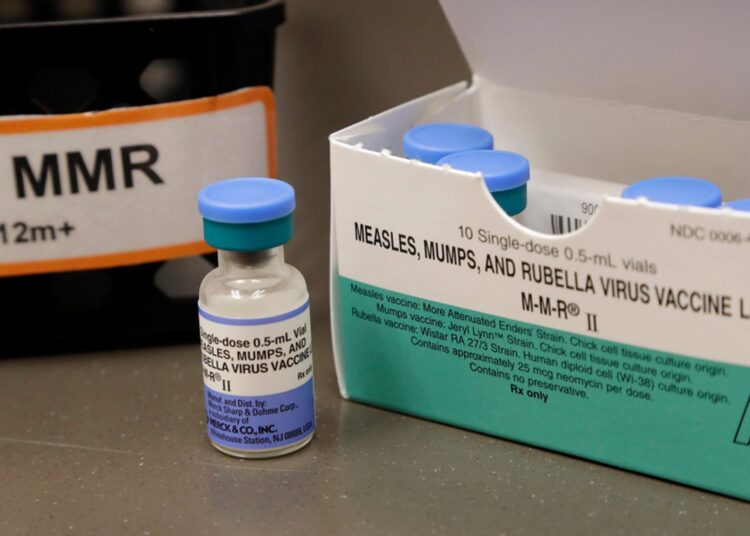
Public health agencies stress that measles is entirely preventable with two doses of the MMR vaccine — and that increasing coverage now can prevent further outbreaks.
Why This Matters — Beyond the Numbers
Measles is not just a rash and fever. Complications can include:
-
Pneumonia and respiratory illness
-
Neurological damage such as encephalitis
-
Hospitalization, especially among vulnerable populations
For communities, rising measles represents not just an infectious threat but a decline in collective immunity — especially worrying for infants too young to be vaccinated and adults with weakened immune systems.
Source – www.gov.uk









Discussion about this post